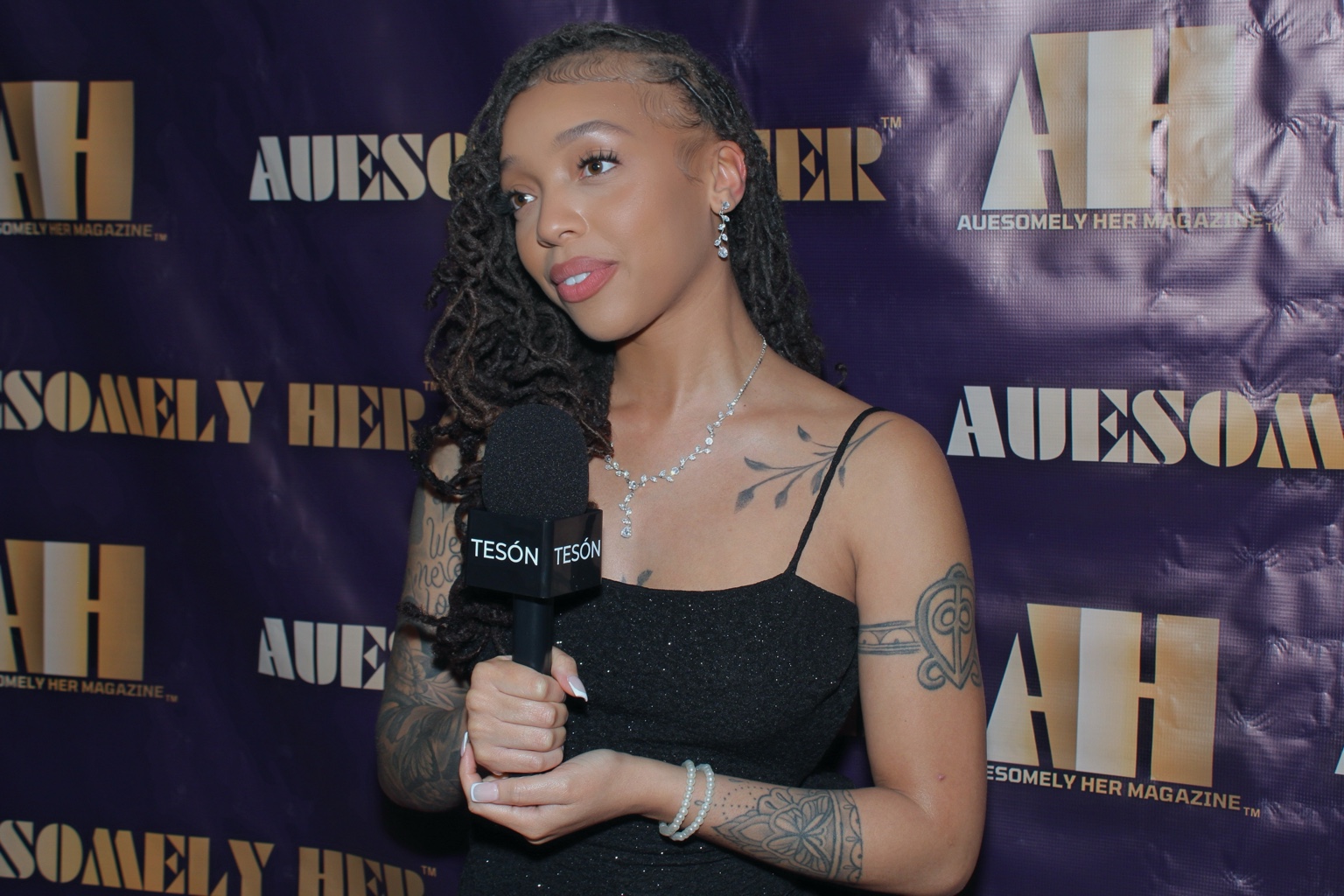
A useful event shot list is not a demand for hundreds of identical images. It is a short, prioritized guide to the images you would regret missing. For an Atlanta gala, launch party, birthday, or community gathering, start with the event schedule and the people who make it meaningful.
1. Name the non-negotiable moments
Mark the time and location of guest arrival, any ribbon cutting or reveal, welcome remarks, awards, performances, and the final group photograph. If something happens only once, tell Ki when it happens and where she can stand. Share an updated run of show if the program changes.
2. List the people who must be photographed
Identify the host, honorees, speakers, sponsors, VIP guests, family, or community leaders. A name plus a role is more helpful than “get everyone.” Designate one person who can point out those people on event day, especially if Ki has not met them yet.
3. Plan details before guests arrive
If you have styled tables, signage, a step-and-repeat, programs, gifts, or branded installations, leave a few minutes for clean photographs before the room becomes busy. These frames can be useful for a recap, sponsor thank-you, future event page, or magazine feature.
4. Decide how you want the event to feel in the gallery
Ask for a mix of guest portraits, candid interactions, wide room views, and close-up details. For a people-centered event, let Ki know whether you want more conversation and atmosphere or more posed backdrop images. If the goal is to promote next year’s event, include the moments that show what guests experienced—not just who attended.
5. Flag access and venue realities
Tell Ki about check-in rules, credentials, lighting restrictions, a venue contact, multiple rooms, or a stage that is difficult to approach. If photography is not allowed in a particular space or a guest should not be photographed, communicate that in advance. The smoother the access, the more time there is for the images that matter.
A simple shot-list template
- Event: name, date, venue address, and on-site contact.
- Timeline: arrival, program start, key moments, and finish.
- Must-have people: names or roles, plus a person who can identify them.
- Must-have details: décor, signage, sponsors, and branded elements.
- Image use: recap, social posts, press, sponsors, or future promotions.
- Priority: the three images you would be most disappointed to miss.
If you are still deciding how many hours to book, read how to choose event coverage time. You can also see Ki’s event portfolio and starting investment. An event with several program segments may need a different plan from a short reception; discuss the schedule during your consultation.
Have an event on the calendar?
Send Ki the date, venue, and the moments you want to remember. The consult helps turn your list into a coverage plan.
Ask Ki about your event ↗